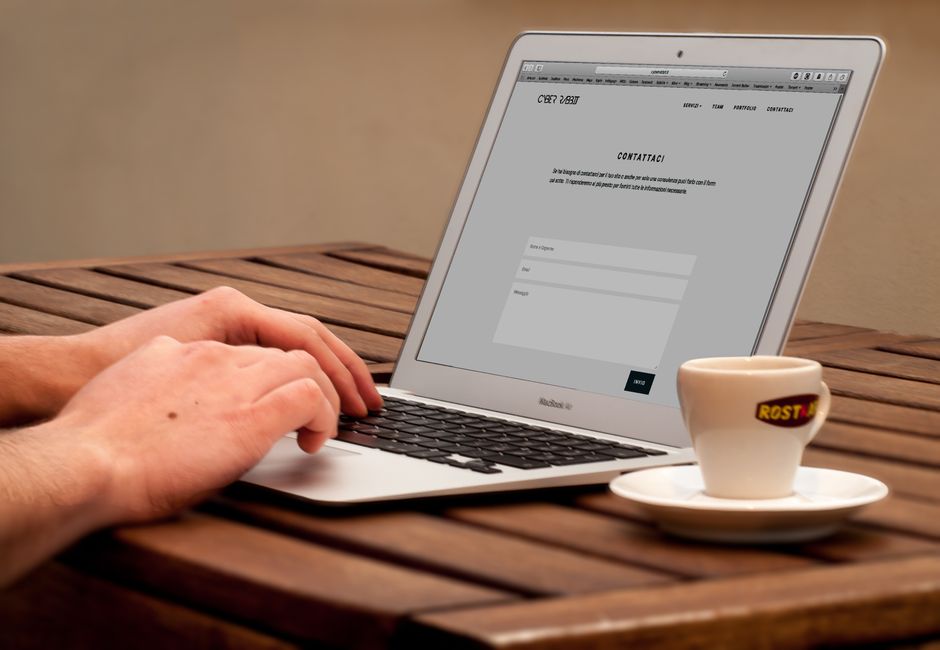
Email communication rarely gets the credit it deserves. For all the time spent on websites and social feeds, many businesses still lose ground in the inbox. The irony stings a bit, given how often your emails are the first real test of your brand and professionalism. In a world where prospects skim, scan and judge in seconds, your digital future sometimes hinges on a subject line or a poorly chosen phrase.
Why Your Email Communication Shapes First Impressions
Forget glossy ads and clever taglines for a minute. Most prospective clients form an opinion of your business the moment your email lands. It is not just the content, but the way it is delivered that matters. If your emails are muddled, abrupt or inconsistent, confidence in your business quickly fades. Many never make it past the first awkward reply.
Email as the First Touchpoint
For a lot of businesses, the first interaction after a website visit is an automated email or a quick manual response. This is the digital equivalent of a handshake. If it feels off, or lacks clarity, you have lost the room. Even before a phone call or meeting, your email sets the tone for everything that follows.
Building Trust Through Clarity and Tone
Clarity is not just about spelling things correctly. It is about being direct, answering questions and removing doubt. The tone should match your brand identity and the expectations set by your website. A friendly, professional approach reassures clients they are in capable hands. On the other hand, a cold or inconsistent message leaves them wondering if your business is worth their time.
The Cost of Inconsistency
Unclear or inconsistent emails do more than frustrate. They actively erode credibility. If customers receive contradictory information or clunky replies, they are less likely to enquire further. In an age where competitors are a click away, that gap in communication is all it takes to lose out.
Aligning Email Communication with Your Brand Positioning
The way you write and send emails should be a natural extension of your brand. If your website promises expertise and approachability, your emails should echo that promise. Otherwise, there is a disconnect that customers will notice, even if subconsciously.
Consistency Across Platforms
Every email, from the automated confirmation to the detailed follow up, is a chance to reinforce your value proposition. Templates and email signatures are not just admin tools. They are brand assets. Thoughtfully designed templates ensure that your messaging always reflects your commercial intent and professionalism.
Practical Steps for Brand Alignment
- Use a set of branded templates for different types of communication, from initial enquiry responses to proposals.
- Standardise your email signatures to include links to your website and social profiles in a visually coherent way.
- Craft your tone to mirror the language and style found on your site. If your brand is direct and practical, avoid flowery language that confuses the message.
Review your email processes regularly. Consistency does not mean dullness. It means reliability. If you would like to learn more about how structured systems support brand positioning, our about page details our approach.
Reducing Customer Friction with Structured Email Processes
Speed and reliability are not optional. Customers expect prompt, clear responses. If you are manually typing out the same answers, you are not just wasting time. You are inviting mistakes and inconsistency. Structured processes and automation tools streamline the experience for both you and your clients.
Automation and Templates for Efficiency
Automation is not just for large businesses. Even single person operations can benefit from templated responses to common questions. Simple workflows can ensure every lead gets a timely reply, reducing the risk of enquiries slipping through the cracks. The time saved can then be spent on higher value activities, like refining your website or developing new offerings.
Preempting Questions and Next Steps
Anticipate what your customers need to know. Replying with answers to common questions, or outlining the next steps, helps move people smoothly through the enquiry process. If your emails leave customers guessing, they are less likely to convert. Clear, structured communication nurtures confidence and speeds up decision making.
Tracking and Measuring Quality
Modern email systems do more than send messages. They track open rates, follow up reminders and even measure response times. Use these insights to identify bottlenecks or gaps in your process. If a particular template gets ignored, it is time for a rewrite. If replies are slow, look at where your process needs tightening.

Integrating Email with Your Website and Enquiry Journey
Your website is the foundation of your digital presence. If the transition from web enquiry to email feels clunky or impersonal, you risk losing hard earned leads. Integration is not a technical luxury. It is a commercial necessity.
Seamless Website Form to Email Experience
When someone fills in an enquiry form, they expect a confirmation or a next step almost instantly. Well crafted automated emails reassure them the message was received and set expectations for what happens next. This small detail builds trust and positions your business as organised and responsive.
Personalisation and Timeliness
Personalisation need not mean writing each email from scratch. Use information from the website enquiry to tailor your response. Addressing the customer by name and referencing their specific request adds a human touch without slowing you down. Timely replies are just as important. The sooner a prospect hears back, the more likely they are to move forward.
Website Driven Triggers
Smart integration between your website and email system lets you automate follow ups based on user actions. For example, if someone downloads a guide, they can receive a tailored follow up email. If an enquiry is submitted, a series of nurturing emails can guide them toward a call or meeting. These systems are not just for large firms. Any business serious about digital growth should consider them. For a closer look at integrated systems, see our services overview.
Practical Improvements for Better Business Outcomes
Not every improvement requires a full system overhaul. Sometimes it is the small changes that make the biggest difference. Email communication can be refined continuously for better commercial outcomes.
Subject Lines and Clarity
Your subject line is the gatekeeper. Avoid generic headers like “Following Up” or “More Information”. Instead, be specific and relevant. “Your Website Enquiry – Next Steps” signals both context and intent. Inside the email, keep your language direct. Answer the question as simply as possible, and include clear calls to action.
Review and Refresh Templates
Templates are not set and forget assets. Schedule regular reviews to ensure they remain relevant and consistent with your evolving brand. Outdated or off brand templates are a missed opportunity. Feedback from customers can highlight areas for improvement that you may not spot yourself.
Monitor, Feedback and Adjust
Encourage feedback, whether through surveys or informal conversations. If customers are confused by your emails or slow to respond, it is a sign your process needs work. Adjustments based on real feedback are often more valuable than following the latest marketing trends.
Where to Go Next Building a Commercially Aligned Communication System
If you are serious about digital credibility and long term growth, start by auditing your current email communication. Look for gaps in clarity, tone and alignment with your commercial goals. Many businesses discover a disconnect between their website promise and their day to day communication.
- Review your email templates and processes for consistency and alignment with your brand message.
- Consider introducing automation and structured workflows. It is not about replacing people, but about removing friction and freeing up your time for higher value tasks.
- If you are exploring a wider digital overhaul, our website and communication system services can help you align every digital touchpoint for stronger commercial outcomes.
Take The Next Step Towards Clearer Digital Communication
If your email communication needs sharpening, or you want to integrate website systems for a smoother customer journey, we are here to help. For practical advice tailored to your business, start a conversation today: https://blacktigercreative.co.uk/contact/
FAQs
How does poor email communication impact business enquiries?
Unclear or inconsistent emails can leave potential customers uncertain or hesitant, reducing the likelihood of follow up or conversion. Clear, prompt and brand-aligned communication reassures customers and supports stronger enquiry rates.
Should smaller businesses use email automation?
Even independent businesses benefit from email automation, especially for standard responses, follow ups and lead nurturing. It ensures consistency, saves time and helps present a professional image regardless of team size.
How can I align my email communication with my website?
Use similar language, tone and design elements across both platforms. Ensure website forms trigger branded, informative email responses and review all touchpoints for consistency in messaging and clarity.
This article offers strategic business insight. It does not guarantee rankings, enquiries or commercial outcomes.